Retail businesses handle thousands of small tasks every day, from checking stock levels to processing orders and managing returns. However, when these tasks are handled manually, they can take up time and lead to errors.
This is where intelligent automation in retail can help. It combines AI and robotic process automation to handle repetitive work and enhance accuracy.
Let’s look at its key use cases, benefits, examples, and how retailers can get started.
What is Intelligent Automation in Retail?
Intelligent automation in retail combines artificial intelligence (AI), machine learning (ML), and robotic process automation (RPA) to automate business processes.
While RPA handles repetitive tasks that follow defined rules, AI can help analyse data and identify unusual situations that need attention.
For example, an RPA bot can transfer invoice details into a retail management system. However, when combined with AI, the system can also extract information from invoices and flag them for review.
As a result, retailers can automate more than basic data entry. They can also improve how information is processed and how everyday business decisions are supported.
To understand how these technologies differ, read our guide on RPA vs. AI differences.
Key Use Cases of Intelligent Automation in Retail
Retailers can use intelligent automation across different parts of their business. However, the right use case depends on where manual work or errors are affecting daily operations.
Here are some common applications.
Inventory and Replenishment
Keeping the right products in stock is important for every retailer. Intelligent automation can analyse sales history and inventory levels to support demand forecasting and replenishment decisions.
Based on predefined rules and business requirements, systems can also trigger reorder requests when stock reaches a certain level. This helps retailers reduce stockouts and avoid holding more inventory than they need.
Order, Invoice, and Supplier Document Processing
Retail businesses handle multiple documents like purchase orders, supplier invoices, delivery documents, and payment records every day. Processing these documents manually can take time, especially when information needs to be checked across different systems.
Intelligent automation can extract relevant details, match invoices with purchase orders, and identify mismatches. As a result, employees spend less time entering data and more time reviewing exceptions that need their attention.
Customer Service and Returns
Customers often contact retail businesses to check order status or request refunds. AI-powered chatbots can handle common questions and provide information without requiring an employee to respond to every request.
Similarly, automation can help process eligible returns according to predefined policies. However, complicated complaints or unusual cases can be passed to a customer service representative.
This helps retailers manage customer requests more efficiently while keeping human support available when needed.
Learn more about AI chatbots for e-commerce to understand how they can support online retail operations.
Personalization and Marketing
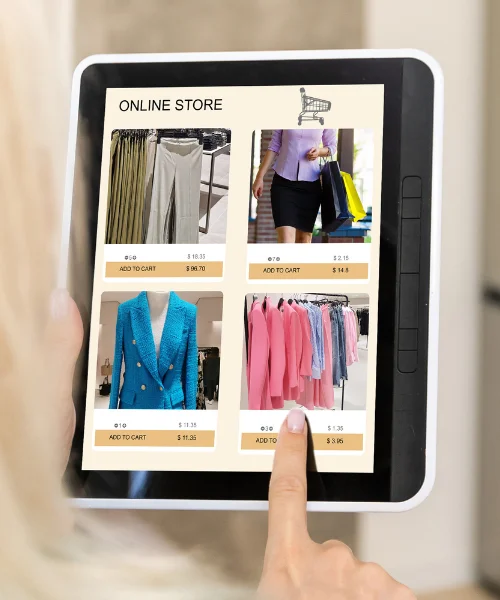
Retailers can use AI to analyse customer preferences and browsing behaviour. Based on this information, they can recommend relevant products and send more targeted marketing messages.
For example, an online store can recommend products related to a customer’s previous purchases. However, businesses should use customer data responsibly and follow applicable privacy requirements.
When implemented properly, personalization can help retailers make their marketing more relevant to individual customers.
Pricing and Promotions
Retail pricing often depends on product demand, available stock, competitor prices, and seasonal trends. Intelligent automation can help retailers analyse these factors and recommend pricing changes or promotional offers.
For example, a retailer may identify products with high inventory levels and consider a promotion to improve stock movement.
However, automated price changes should follow clear business rules. Retailers also need to consider profit margins and customer expectations before making changes.
Supply Chain and Fulfillment
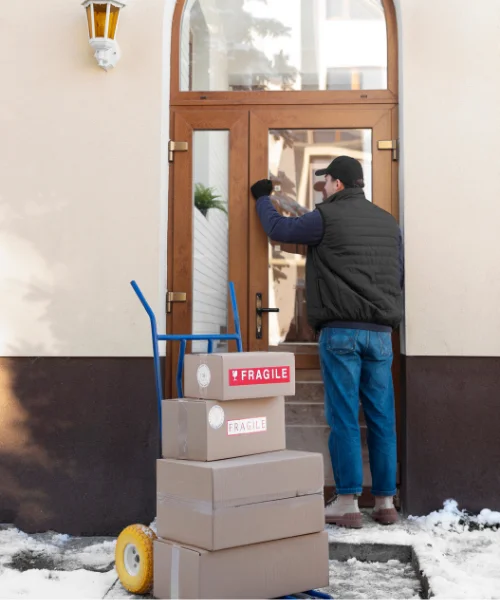
Retail supply chains involve several connected activities, including warehouse operations, order processing, inventory transfers, and delivery tracking.
Intelligent automation can help assign orders, support warehouse picking, update shipment information, and identify delays that need attention.
For example, an automated system can flag an order that has not moved within the expected delivery window. The operations team can then investigate the issue before it affects more orders.
For more examples, explore our guide to RPA use cases across industries.
Benefits of Intelligent Automation in Retail
Intelligent automation can help retailers reduce manual work and improve everyday operations. However, the actual benefits depend on the process being automated and how well the solution is implemented.
The following table highlights some common benefits and the metrics retailers can use to measure them.
Benefit
How It Helps
Metric to Track
Efficiency
Reduces repetitive data entry and manual processing
Hours saved per week
Accuracy
Reduces errors in orders, invoices, and stock records
Error rate
Customer experience
Helps customers get faster responses and return updates
Customer satisfaction (CSAT), resolution time
Inventory management
Helps reduce stockouts and improve inventory planning
Stockout rate, inventory turnover
Scalability
Helps manage higher order volumes during seasonal peaks
Cost per order
For example, if a retailer automates invoice processing, it can measure how much time employees save and whether invoice errors decrease.
Similarly, if customer service automation is introduced, the retailer can track response times and customer satisfaction.
In addition, retailers should review these metrics regularly. This helps them understand whether automation is delivering the expected results and where further improvements may be needed.
You can also explore CX automation trends to understand how automation is changing customer experience management.
Real-World Examples of Intelligent Automation in Retail
Intelligent automation can be applied differently depending on the size of the retailer, its systems, and its operational challenges.
The following are illustrative scenarios showing how it can work in practice.
Multi-Store Retail Chain
A retail chain receives invoices from multiple suppliers. Instead of checking every invoice manually, an automated system extracts invoice details and matches them with purchase orders. It then flags mismatches for employees to review.
This reduces repetitive checking and helps the finance team focus on exceptions.
2. Fashion E-Commerce Business
An online fashion retailer receives a large number of return requests. Automation checks whether requests meet the company’s return policy and helps process eligible approvals and refunds. Cases that do not meet the standard conditions are sent to the support team.
This can reduce manual processing and improve return turnaround time.
3. Grocery Retailer
A grocery retailer needs to manage products with different demand patterns across stores. Machine learning can help forecast demand using historical sales and other relevant data. The system then supports store-level replenishment decisions.
This can help the retailer plan stock more effectively and reduce unnecessary waste or stock shortages.
Note: These are illustrative business scenarios, not verified case studies from named retailers.
Challenges to Plan For
Although intelligent automation offers several benefits, retailers need to consider a few challenges before implementing it.
- System integration: Connecting automation tools with existing point-of-sale (POS), enterprise resource planning (ERP), and inventory systems can require technical work.
- Data quality: Incomplete or inconsistent data can affect forecasts, document extraction, and automated decisions.
- Staff training: Employees need to understand how the new system works and when they should review or escalate an issue.
- Initial investment: Software, integration, testing, and training can add to implementation costs.
Therefore, retailers should assess their existing systems and processes before selecting a solution. It is also important to understand why some automation projects fail so that common implementation problems can be addressed early.
How to Get Started With Intelligent Automation in Retail
Retailers do not need to automate every process at once. Instead, a step-by-step approach can help them understand what works before expanding the implementation.
Step 1: Identify one business problem
Start with a process that involves repetitive work, frequent errors, or avoidable delays.
Step 2: Check your systems and data
Make sure the information needed for automation is available, reliable, and accessible.
Step 3: Run a pilot
Define clear KPIs, such as processing time, error rate, or cost per order, before testing the solution.
Step 4: Measure and expand
Review the results against your initial targets. If the pilot delivers value, consider extending automation to similar processes.
Finally, choose a solution that fits your business requirements rather than selecting a tool simply because it offers more features.
Our guides on RPA implementation and how to choose an intelligent automation service can help you understand the next steps.
Conclusion
Intelligent automation in retail can help businesses improve inventory management and process orders more efficiently. However, the best results start with a clear business problem and measurable goals.
Want to identify the right automation opportunities for your retail business? Connect with FiveS for a free automation assessment and explore where intelligent automation can help.