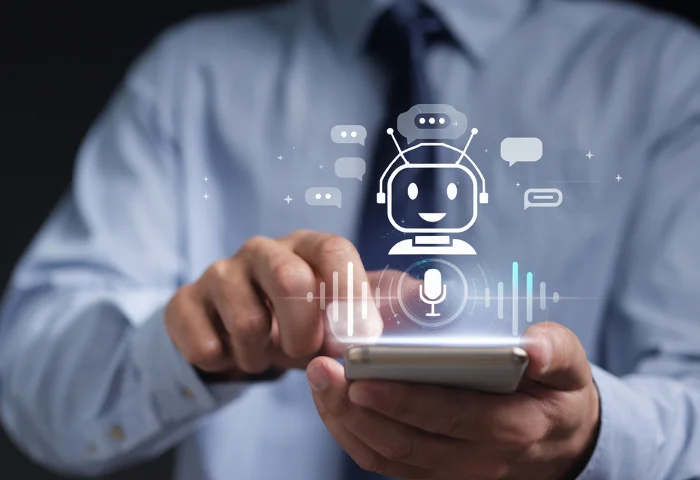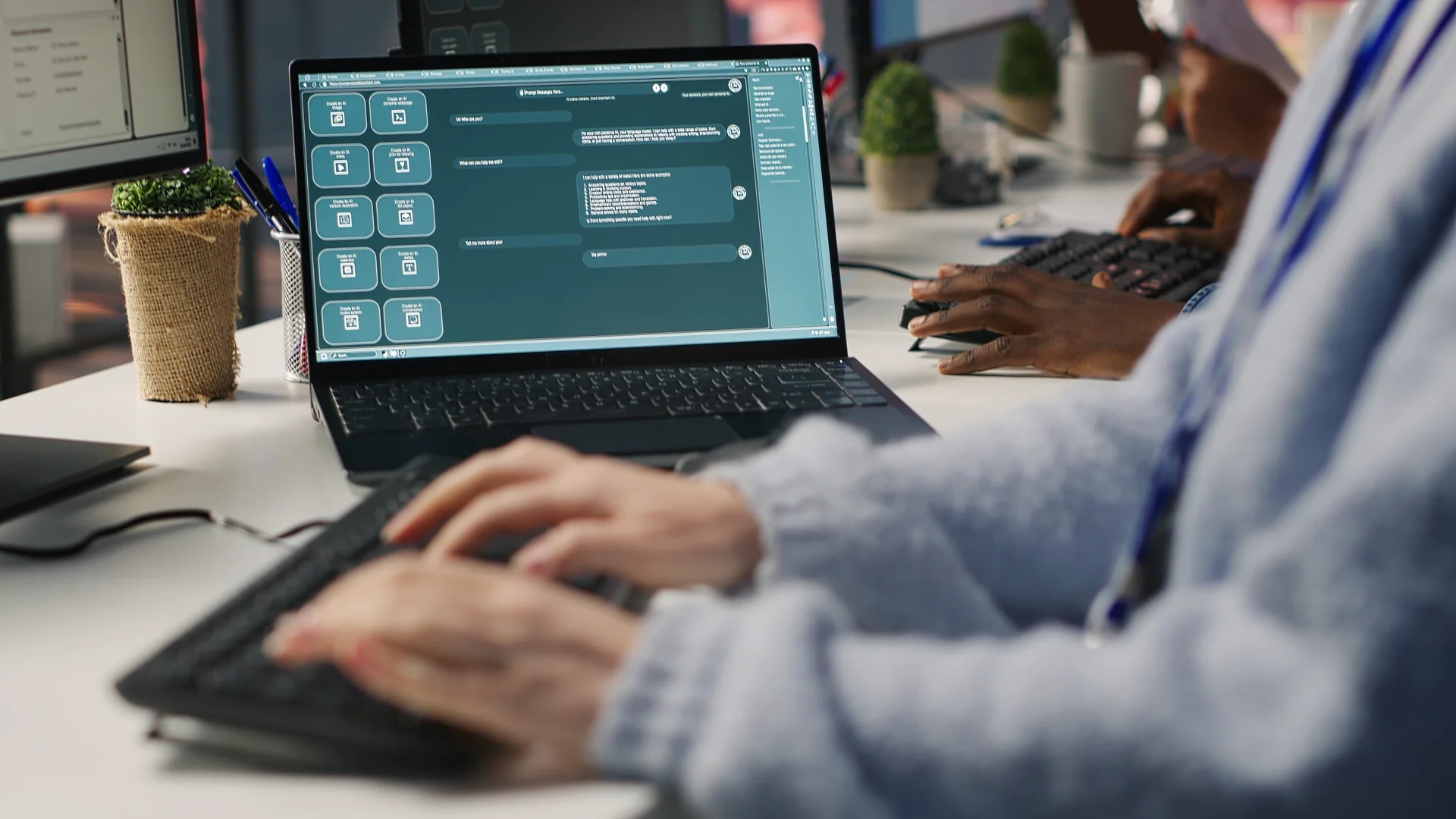
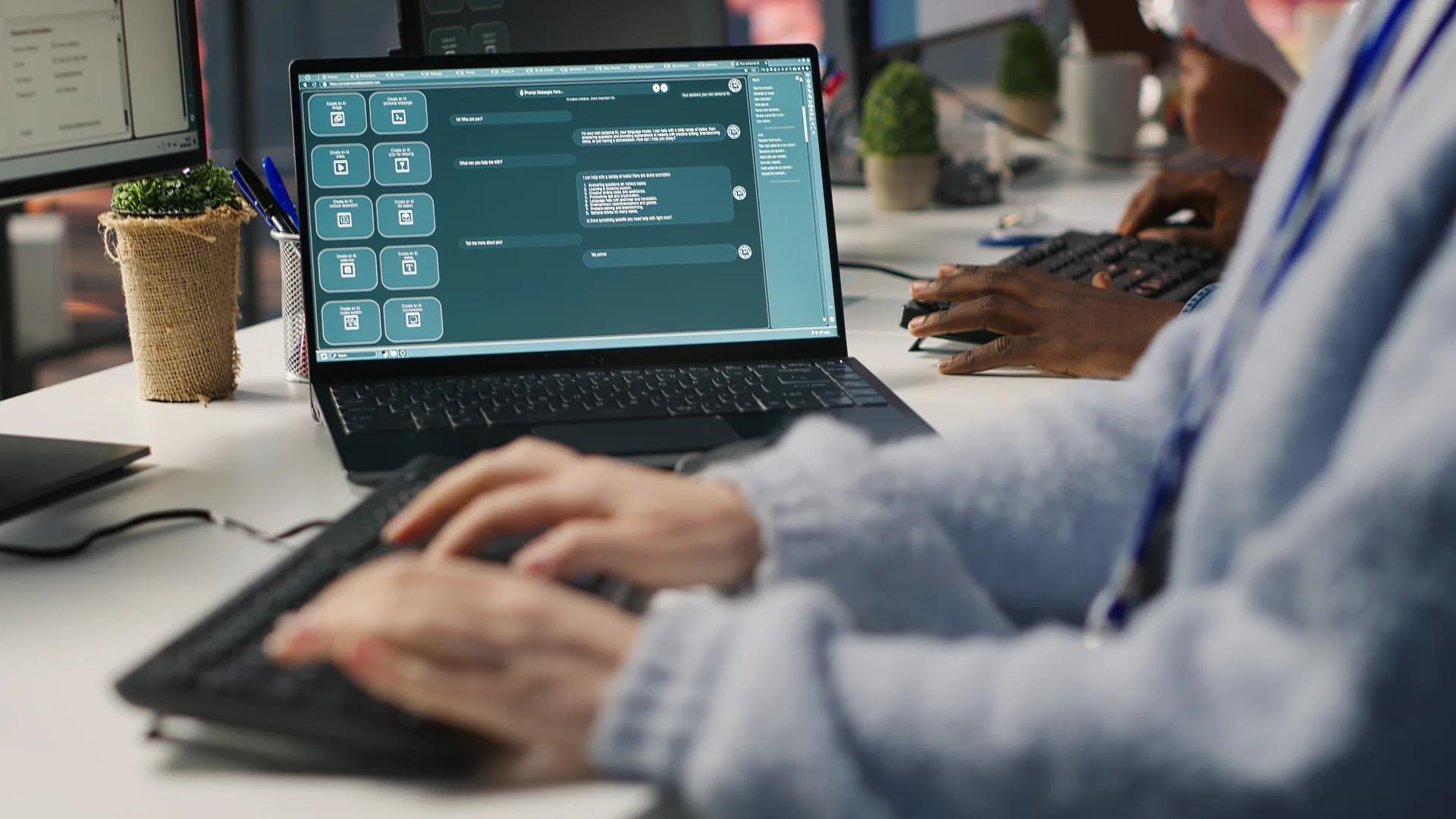
Businesses are increasingly adopting AI-powered chatbots to automate customer interactions and provide faster support. From answering FAQs and qualifying leads to scheduling appointments and tracking orders, chatbots have evolved into an important part of modern customer experience strategies.
However, businesses often face an important decision: should they invest in custom chatbot development services or choose a ready-made chatbot? While ready-made solutions offer faster implementation, custom chatbots provide greater flexibility, deeper integrations, and scalability. Therefore, the right choice ultimately depends on business objectives, customer interaction volumes, integration requirements, and long-term digital transformation goals.
What Are Chatbot Development Services?
Chatbot development services involve designing, developing, integrating, and optimizing conversational systems that automate interactions between businesses and their customers or employees. These solutions can range from simple rule-based chatbots that follow predefined conversation paths to advanced AI-powered chatbots capable of understanding user intent and delivering contextual responses.
Moreover, modern AI chatbot development services can support customer service, lead generation, FAQs, appointment booking, and order tracking. By integrating conversational AI with existing business systems, organizations can automate repetitive interactions while allowing human teams to focus on queries that require greater expertise, judgment, or empathy.
Understanding the Two Options
Businesses can generally choose between building a chatbot around their specific requirements or implementing an existing platform with predefined capabilities. Both approaches can support automation, however, they differ considerably in flexibility, integration possibilities, implementation timelines, and long-term scalability.
Below are the two approaches businesses should understand before making a decision.
Custom Chatbot Development
To begin with, custom chatbot development involves building a conversational solution specifically around an organization’s workflows, customers, technology ecosystem, and business objectives. Instead of adapting operations to a predefined template, businesses can design conversation flows and functionality according to their actual requirements.
Furthermore, custom chatbots can integrate with CRM platforms, ERP systems, APIs, databases, and other enterprise applications. This allows the chatbot to access relevant information and support personalized customer journeys rather than simply providing predefined answers. Consequently, custom development offers greater control over functionality and future expansion.
Ready-Made Chatbots
In contrast, ready-made chatbots provide pre-built templates and features that allow businesses to deploy basic conversational automation relatively quickly. They are particularly useful for straightforward requirements such as answering common questions, collecting contact information, or directing users toward relevant resources.
Moreover, these platforms generally require lower upfront investment and less development effort. However, customization, integrations, and advanced AI capabilities may be more limited depending on the platform selected. Therefore, ready-made chatbots can be practical when speed and simplicity are more important than extensive customization.
Both solutions have advantages depending on your business needs.
Custom Chatbots vs Ready-Made Chatbots
The choice becomes clearer when businesses compare both approaches across factors such as customization, deployment, scalability, integrations, and long-term value. The following comparison highlights the key differences outlined for each solution.
Feature
Custom Chatbots
Ready-Made Chatbots
Customization
Fully tailored around specific workflows and customer journeys
Limited to available templates and configurations
Deployment Time
Longer due to development and integration requirements
Quick setup for straightforward use cases
Scalability
High scalability as business requirements evolve
Moderate scalability depending on platform capabilities
Integrations
Can connect with CRM, ERP, APIs, and enterprise systems
Typically supports a limited set of integrations
AI Capabilities
Advanced capabilities tailored to business requirements
Usually offers more standardized AI functionality
Long-Term Cost
Greater potential ROI as usage and requirements scale
Lower upfront investment
Best For
Growing enterprises with complex requirements
Small businesses and startups with simpler needs
Overall, custom chatbots deliver greater flexibility, while ready-made solutions offer speed and affordability.
When Should You Choose Custom Chatbot Development Services?
Custom solutions become particularly relevant when conversational automation needs to work as part of a broader business ecosystem rather than as a standalone FAQ tool. They enable organizations to align chatbot functionality with existing workflows, systems, customer journeys, and industry requirements.
Below are the key scenarios where custom chatbot development services can provide greater business value.
Complex Business Workflows
To begin with, businesses with multi-step customer or operational processes may require a chatbot capable of doing more than answering predefined questions. A custom solution can be designed around processes such as customer verification, lead qualification, service requests, appointment scheduling, or escalation workflows.
In addition, chatbot logic can be adapted as these processes evolve. This gives organizations greater control over how conversations progress and when human intervention is required. As a result, conversational automation becomes integrated into actual business operations rather than functioning as an isolated customer-facing tool.
Read more blog : AI Chatbot Development Services: Features, Benefits & Use Cases
Multiple System Integrations
Businesses frequently operate across CRM, ERP, payment, inventory, order management, and other enterprise systems. Custom chatbot development allows these platforms to connect through APIs so that relevant information can flow between the chatbot and existing applications.
Consequently, customers can complete more tasks directly within conversations instead of moving between different channels. For instance, an integrated chatbot can retrieve an order status or access relevant customer information based on connected systems. Furthermore, deeper integration reduces manual handoffs and creates more efficient workflows.
Personalized Customer Experience
Moreover, modern customers increasingly expect businesses to recognize their needs rather than provide identical responses to everyone. Custom chatbots can use available customer information, previous interactions, and contextual data to support more personalized conversations.
As a result, organizations can create customer journeys aligned with different user requirements and interaction stages. Personalization can also improve the relevance of recommendations and support responses. Therefore, businesses focused on strengthening customer experience can benefit from greater control over conversational design.
Industry-Specific Requirements
Finally, industries such as banking, healthcare, logistics, retail, and automotive often have workflows that cannot be adequately addressed through generic chatbot templates. Each sector may involve specific customer journeys, operational processes, terminology, and system integration requirements.
Custom AI chatbot development services allow businesses to design solutions around these industry-specific needs. For example, logistics companies may prioritize shipment-related interactions, while retail businesses may focus on product discovery and order support. Ultimately, custom chatbots become increasingly valuable as business operations scale and become more complex.
When is a Ready-Made Chatbot the Right Choice?
Ready-made chatbots can be a practical option for small businesses, startups, and organizations with relatively straightforward automation requirements. For example, a business that primarily needs FAQ automation, basic lead capture, or simple website assistance may not require extensive custom development.
Furthermore, ready-made solutions can be useful for MVP launches, limited budgets, or projects with short implementation timelines. Their predefined templates enable faster deployment while reducing initial development requirements. However, businesses should evaluate potential limitations around customization, integration, and scalability before selecting a platform, particularly if requirements are expected to become more sophisticated over time.
How AI-Powered Chatbots Drive Digital Transformation
AI-powered chatbots are becoming part of broader digital transformation strategies because they connect customer engagement with intelligent automation. Conversational AI can provide 24/7 customer support, accelerate response times, qualify leads, and automate repetitive workflows across digital channels.
In addition, combining chatbots with AI automation services can reduce manual workloads and help organizations manage higher interaction volumes more efficiently. Rather than replacing human support entirely, AI can manage repetitive requests while directing complex or sensitive interactions to appropriate employees. Consequently, businesses can improve customer experience while reducing operational costs and creating more scalable service models.
How to Choose the Right Chatbot Solution
Selecting between a custom and ready-made chatbot requires businesses to look beyond immediate implementation costs. The right solution should align with both present requirements and expected future growth.
Before making a decision, businesses should consider:
- Business objectives: Identify the specific customer or operational problem the chatbot needs to solve.
- Customer interaction volume: Consider whether the solution can manage current and future conversation volumes.
- Integration requirements: Determine whether the chatbot needs to connect with CRM, ERP, APIs, or other enterprise applications.
- Budget: Compare initial implementation costs with potential long-term value and ROI.
- Future scalability: Evaluate whether the solution can evolve as business processes and customer expectations change.
Ultimately, choosing the right chatbot is about supporting long-term business growth rather than solving only today’s challenges.
Conclusion
Ready-made chatbots offer a practical route for businesses seeking simple automation and quick deployment, while custom chatbot development services provide greater flexibility, deeper integrations, and long-term scalability. Therefore, organizations focused on customer experience and digital transformation should evaluate chatbot solutions based on future requirements rather than initial cost alone.
With the right approach, AI-powered conversational solutions can become an integral part of scalable customer engagement and business automation strategies.
Connect with FiveS Digital today to explore a custom chatbot solution built for your business.