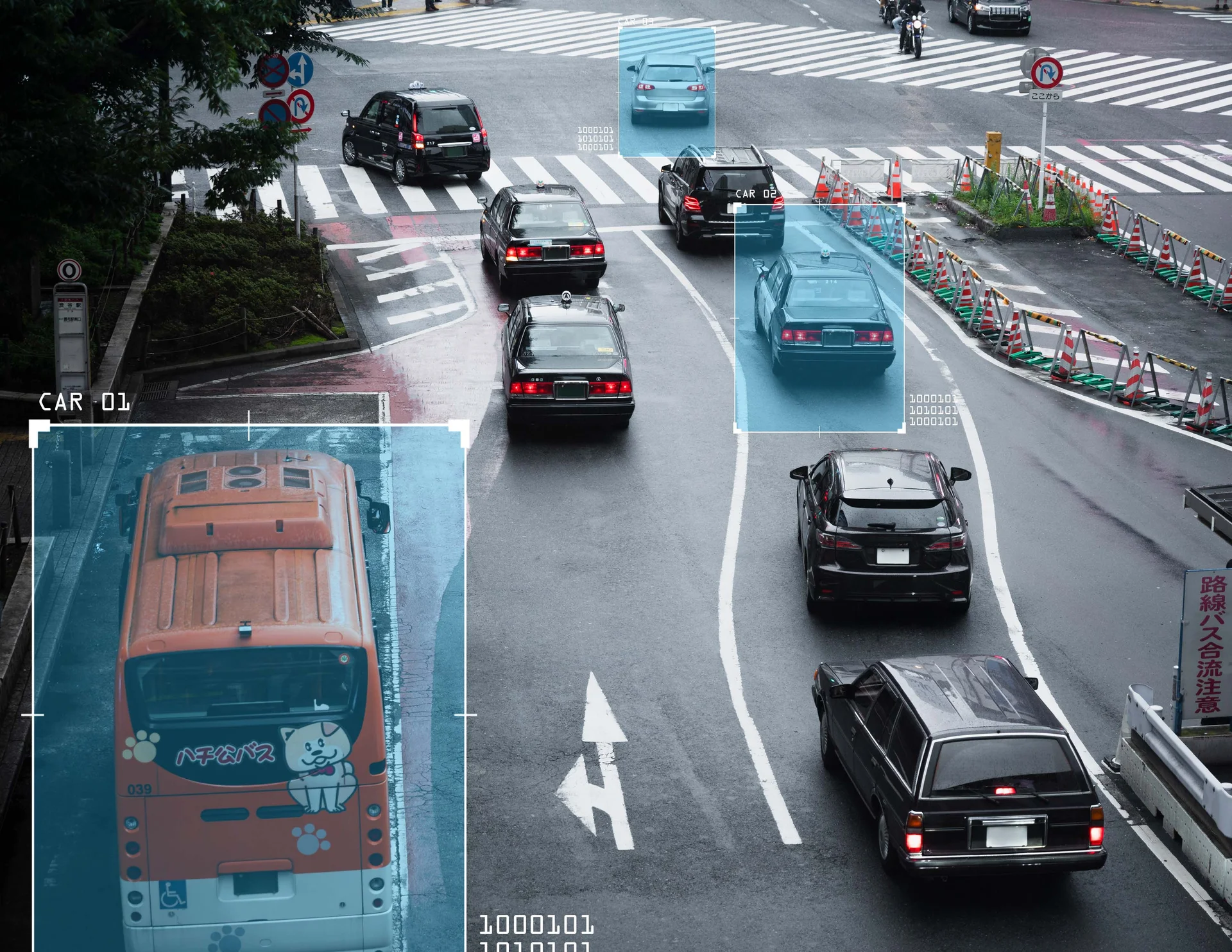

In 2026, advanced AI technology is actively powering the operational backbone of businesses across industries, enabling organizations to automate complex processes. Technologies such as machine learning, computer vision, natural language processing (NLP), and generative AI are now driving strategic business innovation.
As organizations continue to embrace digital transformation, advanced AI has become a competitive advantage rather than an optional investment. From detecting diseases earlier to preventing financial fraud and optimizing global supply chains, AI is reshaping how businesses operate.
In this blog, we’ll explore 7 real-world applications of advanced AI technology that are transforming industries and delivering measurable business value today.
Healthcare: Accelerating Diagnostics and Drug Discovery
Healthcare is one of the industries experiencing the most significant transformation through advanced AI technology. By combining machine learning, computer vision, and predictive analytics, healthcare providers can improve diagnostic accuracy, accelerate medical research, and deliver better patient outcomes while reducing operational inefficiencies.
Application
To begin with, AI-powered radiology platforms use advanced computer vision algorithms to analyze medical images such as X-rays, CT scans, and MRIs with remarkable precision. These systems can identify subtle abnormalities, including early-stage tumors, fractures, and organ damage that may be difficult for the human eye to detect during routine examinations. Consequently, physicians receive intelligent decision support that enhances diagnostic confidence without replacing clinical expertise.
In addition, pharmaceutical companies are leveraging advanced AI models to significantly accelerate drug discovery. Instead of manually screening thousands of chemical compounds over several years, AI can analyze millions of molecular combinations within days to identify promising candidates for further testing. Furthermore, predictive models help researchers evaluate potential drug interactions, reducing both development timelines and research costs.
Impact
As a result, healthcare organizations can diagnose diseases earlier, enabling faster treatment plans and improving patient survival rates. Early detection also minimizes the progression of chronic illnesses, reducing the burden on hospitals while improving overall quality of care. Moreover, AI-assisted diagnostics help reduce human error in medical imaging, creating more consistent and reliable clinical outcomes.
Furthermore, AI-driven drug discovery is shortening the time required to bring life-saving medications to market. Pharmaceutical companies can optimize research investments, improve clinical trial success rates, and respond more rapidly to emerging health challenges. Consequently, advanced AI is helping transform healthcare from a reactive treatment model into a proactive, data-driven ecosystem.
Finance: Predictive Fraud Prevention and Algorithmic Trading
The financial services industry processes billions of transactions every day, making security, speed, and accuracy critical for business success. Advanced AI technology enables financial institutions to analyze enormous volumes of transactional data in real time, allowing them to detect threats, optimize investments, and improve customer trust.
Application
To begin with, modern financial institutions use neural networks and machine learning algorithms to continuously monitor millions of transactions across global payment networks. Unlike traditional rule-based fraud detection systems, AI models analyze customer behavior, spending patterns, device usage, and transaction history to identify suspicious activities before fraudulent transactions are completed. This predictive capability enables banks to intervene immediately when abnormal behavior is detected.
In addition, investment firms use algorithmic trading platforms powered by advanced AI to evaluate financial markets in real time. These systems process news articles, market sentiment, economic indicators, and historical price movements simultaneously to execute trading decisions within milliseconds. Furthermore, AI continuously learns from market behavior, enabling investment strategies to adapt to changing economic conditions.
Impact
As a result, financial institutions significantly reduce fraud-related losses while improving customer confidence. Predictive fraud detection minimizes false positives, ensuring legitimate transactions proceed without unnecessary interruptions while stopping malicious activities before financial damage occurs.
Moreover, AI-powered trading systems improve investment accuracy by processing vast datasets far beyond human analytical capabilities. Portfolio managers gain deeper market insights, optimize risk management strategies, and make faster investment decisions. Consequently, advanced AI is replacing reactive financial management with intelligent, predictive decision-making across the banking and investment sectors.
Retail & E-Commerce: Hyper-Personalized Demand Forecasting
Consumer behavior changes rapidly, making accurate demand forecasting increasingly challenging for retailers. Advanced AI technology enables businesses to understand customer preferences, predict purchasing patterns, and optimize inventory with greater precision than traditional forecasting methods.
Application
To begin with, AI processes multiple data sources, including historical sales, customer purchase behavior, social media trends, promotional campaigns, regional events, and even weather forecasts to predict future demand. These predictive models continuously learn from new information, allowing retailers to adjust inventory levels dynamically based on changing consumer preferences.
In addition, recommendation engines powered by machine learning deliver highly personalized shopping experiences by analyzing browsing history, purchasing habits, and customer interests. Rather than offering generic product suggestions, AI presents highly relevant recommendations that increase customer engagement and encourage repeat purchases. Furthermore, retailers can personalize marketing campaigns based on individual buying behavior.
Impact
As a result, retailers reduce inventory shortages while minimizing excess stock that often leads to markdowns and financial losses. More accurate demand forecasting improves warehouse efficiency, reduces supply chain costs, and supports better inventory planning across multiple locations.
Furthermore, personalized shopping experiences significantly improve customer satisfaction and conversion rates. Consumers receive recommendations that match their interests, increasing average order values and long-term loyalty. Consequently, advanced AI transforms retail operations by balancing operational efficiency with highly individualized customer experiences.
Read more blog : What is Advanced AI Technology? A Comprehensive Guide for 2026
Manufacturing: Computer Vision for Real-Time Quality Control
Manufacturing organizations are increasingly adopting advanced AI technology to improve product quality, optimize production efficiency, and reduce operational costs. Computer vision and machine learning are helping manufacturers detect quality issues instantly while enabling smarter production environments.
Application
To begin with, manufacturers deploy high-speed cameras integrated with computer vision models to inspect products continuously throughout the production process. These AI systems analyze moving components in real time, identifying microscopic cracks, alignment issues, surface defects, and dimensional inconsistencies that are often impossible to detect through manual inspection alone.
In addition, AI supports predictive maintenance by analyzing machine performance, equipment vibration, temperature fluctuations, and sensor data. Instead of relying on fixed maintenance schedules, intelligent systems predict potential equipment failures before they occur, allowing maintenance teams to intervene proactively. Furthermore, predictive analytics helps manufacturers optimize equipment utilization while minimizing unexpected downtime.
Impact
As a result, manufacturers achieve significantly higher quality standards by identifying production defects before products reach customers. Early defect detection reduces product recalls, minimizes material waste, and strengthens brand reputation through consistent product quality.
Moreover, predictive maintenance improves operational reliability by preventing costly equipment failures and production interruptions. Organizations reduce maintenance expenses while extending the lifespan of critical machinery and improving factory productivity. Consequently, advanced AI enables manufacturers to build smarter, more efficient production environments that support long-term business growth.
Logistics & Supply Chain: Route Optimization and Fleet Analytics
The logistics and supply chain industry is becoming increasingly data-driven as businesses strive to meet rising customer expectations for faster, more reliable deliveries. Advanced AI technology enables organizations to optimize transportation networks, improve warehouse efficiency, and gain end-to-end visibility across the supply chain. As a result, businesses can reduce operational costs while delivering a better customer experience.
Application
To begin with, advanced AI analyzes real-time traffic conditions, weather forecasts, road closures, fuel costs, and delivery schedules to recommend the most efficient transportation routes. Unlike traditional route planning, AI continuously adapts to changing conditions, allowing logistics providers to respond quickly to unexpected disruptions. Consequently, businesses can improve delivery accuracy while reducing unnecessary travel time.
In addition, AI optimizes vehicle capacity by identifying the most efficient delivery sequence and resource allocation. This helps organizations minimize fuel consumption and maximize fleet utilization without compromising delivery timelines. Furthermore, intelligent routing enables businesses to handle larger shipment volumes while maintaining consistent service quality.
Impact
In addition, AI-powered fleet analytics continuously monitor vehicle performance using IoT sensors, GPS systems, and telematics data. These solutions evaluate engine health, driver behavior, fuel efficiency, and maintenance schedules to identify opportunities for operational improvement. As a result, organizations can proactively address issues before they lead to costly downtime.
Furthermore, predictive maintenance helps extend vehicle lifespan while minimizing unexpected equipment failures. Businesses also benefit from improved fleet visibility, better asset utilization, and lower operating expenses. Consequently, AI enables logistics providers to build smarter, more resilient, and highly efficient supply chain operations.
Cybersecurity: Behavior-Based Anomaly Detection
As cyber threats continue to evolve, organizations require security solutions that can detect sophisticated attacks before they cause significant damage. Traditional security systems often rely on predefined rules, making them less effective against emerging threats. Advanced AI technology addresses this challenge by continuously learning user behavior and identifying anomalies in real time.
Application
To begin with, AI establishes behavioral baselines for users, devices, and network activity, allowing security systems to identify unusual patterns that may indicate cyberattacks. Unlike signature-based detection methods, AI recognizes unknown threats by analyzing deviations from normal activity. Consequently, organizations can detect zero-day attacks and insider threats much earlier.
In addition, machine learning continuously refines detection models as new threats emerge, improving overall cybersecurity resilience. AI also correlates information from multiple security tools to provide a comprehensive view of potential risks. Furthermore, intelligent threat detection significantly reduces the time required to identify and investigate security incidents.
Impact
Moreover, AI automates several stages of incident response by prioritizing alerts based on severity and recommending appropriate remediation actions. This reduces the workload on cybersecurity teams while improving response times during critical situations. As a result, organizations can contain threats before they spread across enterprise systems.
Furthermore, AI minimizes false positives that often overwhelm security operations centers, allowing analysts to focus on genuine threats instead of manually reviewing thousands of alerts. Improved threat visibility also strengthens regulatory compliance and business continuity. Consequently, advanced AI helps organizations build a proactive and intelligent cybersecurity framework.
Agriculture: Precision Farming and Yield Analytics
Agriculture is undergoing a technological transformation as farmers increasingly rely on advanced AI to improve productivity, optimize resources, and respond to changing environmental conditions. By combining machine learning, IoT sensors, satellite imagery, and predictive analytics, AI enables more informed agricultural decisions. As a result, farming operations become more sustainable, profitable, and resilient.
Application
To begin with, AI analyzes drone imagery, satellite data, weather forecasts, and soil conditions to monitor crop health throughout the growing season. These insights help farmers detect diseases, nutrient deficiencies, and irrigation issues long before they become visible through manual inspection. Consequently, agricultural businesses can take corrective action earlier and minimize crop losses.
In addition, AI recommends optimized irrigation schedules, fertilizer application, and harvesting timelines based on real-time environmental conditions. This enables farmers to maximize productivity while reducing unnecessary resource consumption. Furthermore, intelligent farming practices contribute to more sustainable agricultural operations.
Impact
Moreover, predictive AI models forecast crop yields by evaluating historical production data, climate conditions, and seasonal trends. These forecasts help farmers improve production planning, inventory management, and supply chain coordination. As a result, businesses can better align production with market demand.
Furthermore, AI-powered yield analytics reduce uncertainty by providing actionable insights throughout the agricultural lifecycle. Improved forecasting also enhances financial planning while strengthening food supply resilience. Consequently, advanced AI enables the agriculture sector to achieve greater efficiency, sustainability, and long-term profitability.
Conclusion
Advanced AI technology is redefining how industries operate by combining automation and predictive intelligence. From healthcare and finance to manufacturing, logistics, cybersecurity, and agriculture, organizations are leveraging AI to reduce costs and deliver exceptional customer experiences.
At FiveS Digital, we help organizations harness the full potential of advanced AI technology through intelligent automation and enterprise AI solutions. Whether your goal is to optimize business processes or accelerate innovation, our AI-powered solutions are designed to deliver measurable business outcomes.
Connect with FiveS Digital today to explore how advanced AI can transform your business operations.
Contact us : https://fivesdigital.com/contact-us/